Classifying intercropped parcels in the annual crop-type check
2 November 2026
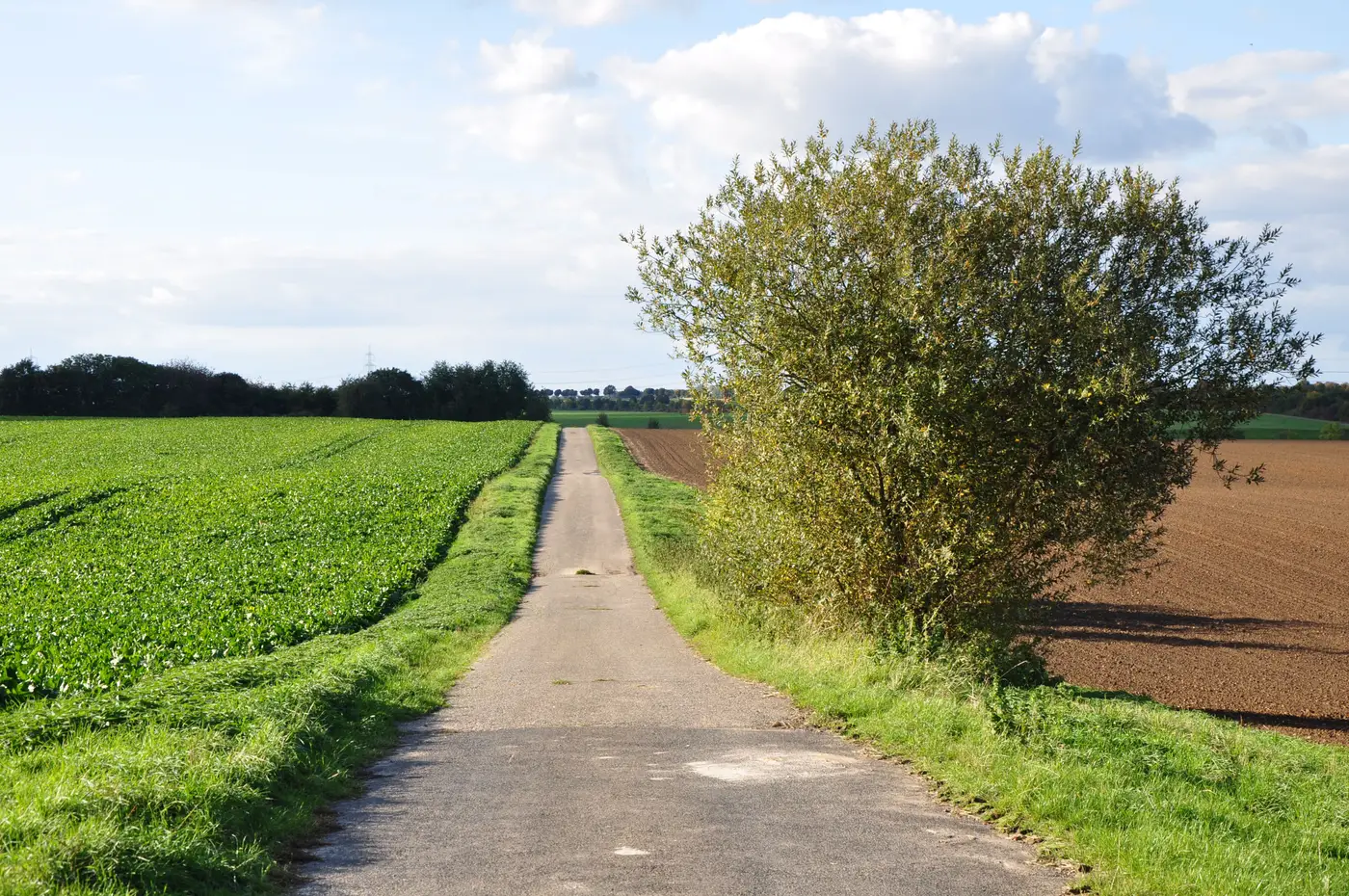
Every scheme year, a handful of parcels land on your desk that won't fit neatly into one crop code. A farmer declares maize-bean intercrop on four hectares, or a strip of vegetables threaded between fruit rows, or a cover-crop mix the agronomy department hasn't quite settled a code for. The declared-crop check assumes one crop per parcel. The field doesn't always agree.
This is the part of the job nobody writes a clean SOP for, so here's how it gets handled in practice.
What IACS gives you to work with
Most schemes have a mixed crop or polyculture code, sometimes with a required percentage split by area or by seeded density. The farmer attests to the mix at declaration. Your job at check time is to confirm the parcel is growing something consistent with what was declared: an active mixed stand, not a fallow field, not a straight substitution to a single different crop, and not land quietly shifted into a use that never appeared on the claim.
That distinction matters because it changes what evidence answers the question. Resolving the exact split, which fifteen percent is beans versus maize, isn't the task at check time. The task is reading whether the parcel's growing season looks like an active mixed stand, bare ground, a monoculture substitution, or an undeclared fallow.
Sub-plot crop coding versus a parcel-level call
Sub-plot crop coding, breaking a single parcel into zones with separate codes for each crop in the mix, is a real idea and some agencies have piloted it. It's also expensive to run at scale and heavy on manual review, which is exactly why most of us still code mixed parcels as one declared type with a percentage note rather than mapping the internal boundary by hand.
A seasonal reflectance signature works the same way a human reviewer does when they can't walk every plot: it reads the parcel as a whole across its growing window and returns one dated, sourced crop-type call for that parcel. On an intercropped field, that call reads the dominant canopy signal across the season as a single parcel-level signature. It won't tell you the maize-to-bean ratio. It will tell you, with a date and a source attached, whether what's out there this season tracks with an active mixed or row crop stand, or whether the parcel's signature reads as something that doesn't match the claim at all: bare soil through the growing window, a straight monoculture where a mix was declared, or no crop activity recorded.
That's not a downgrade from what the check needs. For the volume of parcels in an annual run, the question that drains reviewer hours is simpler: does this parcel's claim hold up, or does it need an officer on site. A parcel-level call answers that question for every declared parcel in the file, without someone walking a sample plot to do it.
Where that fits in your workflow
Treat the parcel-level crop-type layer as the first pass, not the final word on a disputed mixed declaration. Run it against the full claim file, flag mismatches, and route only the flagged mixed-crop parcels to a manual site visit or an orthophoto pull for the finer sub-plot question if the case needs it. That keeps the expensive, detailed review for the parcels that actually need it instead of every declared mixed parcel in the register.
For parcels where the signature matches a clean single-crop declaration, the flag is usually fast to clear. For genuine polyculture parcels, treat the call as confirmation that the field is active and consistent with a mixed stand, then let your existing percentage-verification process handle the ratio question the way it already does.
Crop Type Mapping builds that first-pass layer from wide-swath multispectral passes once a season, delivered as a parcel-level GeoTIFF and vector file that sits next to the claim and exports straight to CSV for the register.
If intercropped and mixed-declaration parcels are eating review hours this scheme year, it's worth seeing what a dated, sourced call on every parcel does to that backlog before the walk-list goes out.