What a crop-type confidence score is, and why it belongs in the claim file
9 November 2026
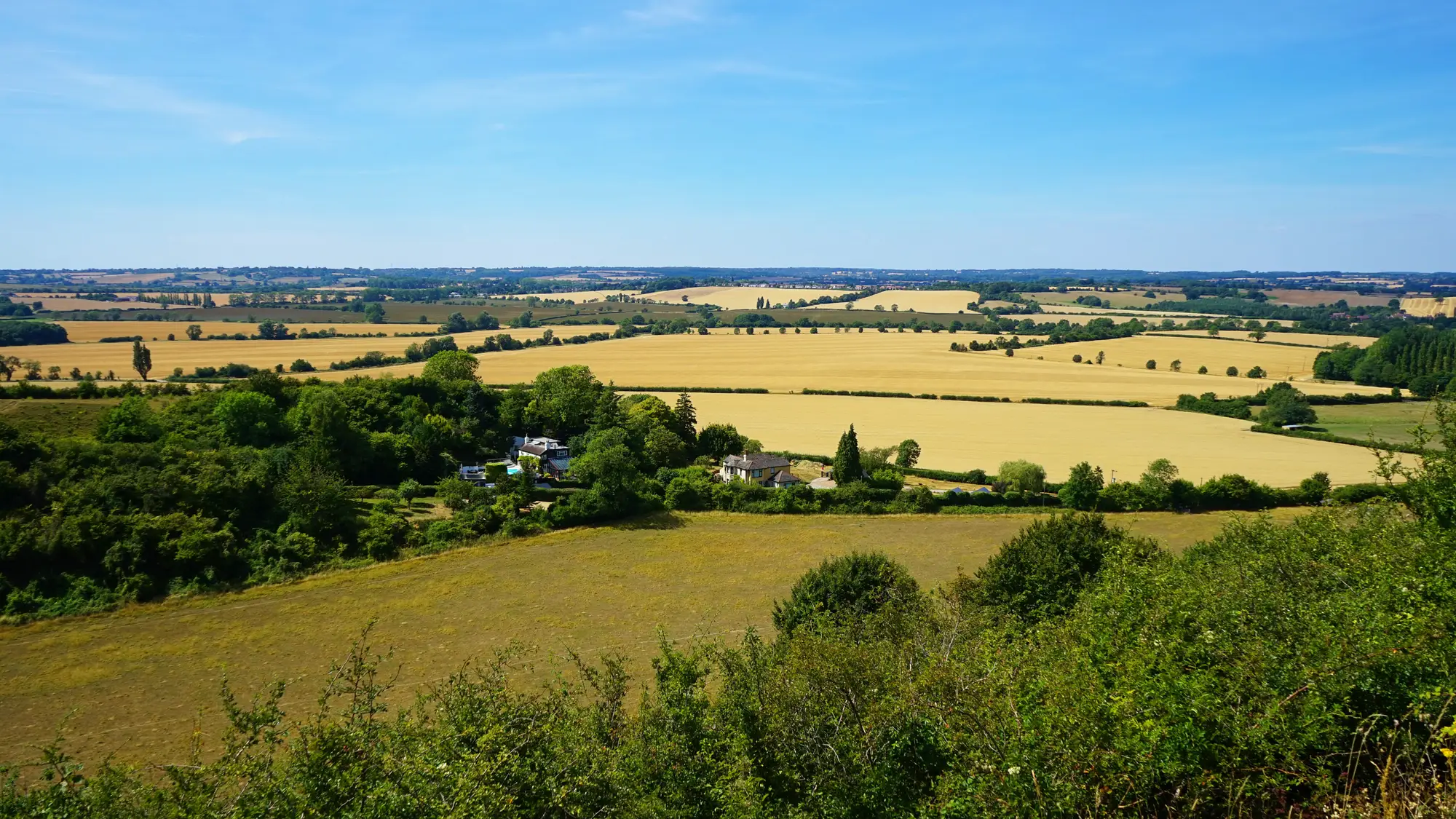
A crop-type call tells you what a parcel was planted in. A confidence score tells you how sure the system was when it made that call. Log the first without the second and you've got a label with no provenance behind it, which is exactly the thing an auditor pulls on first.
What the score actually measures
Every parcel has a seasonal reflectance signature: how it looks across a growing season as crops emerge, canopy closes, and the field dries down or gets cut. A maize field and a sunflower field don't move through the season the same way, and a wide-swath multispectral pass across several dates picks that difference up. The crop-type call is the system matching a parcel's signature against the pattern it expects for that crop.
The confidence score is a separate number that says how clean that match was. A parcel with a textbook signature, strong emergence curve, clear canopy closure, unambiguous senescence, gets a high score because there's only one crop the data fits well. A parcel with a messy signature, cloud gaps mid-season, a mixed planting, or a crop whose signature overlaps another on the declared list, gets a lower score because more than one label was plausible. Same output format, same dated source, different reliability behind the number.
The score measures only how legible the parcel's own seasonal data was for the specific classification task at hand, separate from any yield estimate or fraud probability.
Why a paying agency logs it, not just the call
A declared-crop check that returns one label per parcel and stops there is asking you to treat every call as equally solid. Some will be. A lot of flat, single-crop blocks with a clean season are going to classify well under almost any method. But parcels with partial-field double-cropping, parcels under persistent cloud for half the season, parcels near a boundary with a neighboring crop type bleeding into the signal, those are going to carry more uncertainty no matter how good the underlying method is. If the deliverable doesn't surface that difference, the file can't either.
Logging the score alongside the call gives a compliance review three things it didn't have before:
- A defensible reason to route a specific subset of parcels to manual review instead of guessing which ones look "off."
- A record, at the time the call was made, of why that parcel needed a second look, rather than a reconstruction after the fact.
- A way to separate "the system called this wrong" from "the system called this uncertain and said so," which matters a great deal if a producer appeals.
That last point is the one that actually protects the agency. A claim file that shows a low-confidence flag sitting next to a crop-type call, dated to the pass it came from, demonstrates the check was run and its limits were disclosed up front. A file with a bare label and nothing else leaves you explaining after the fact why nobody looked twice at a parcel that turned out to be wrong.
What to do with a low score
A low confidence score works as a routing instruction, nothing more. Low-score parcels are the ones that go to a desk review or, where the volume justifies it, a site visit, instead of a blanket walk of every declared parcel in the scheme. High-score parcels can clear through the file without taking up reviewer time they don't need. Logging the number lets you concentrate manual attention on the parcels where the seasonal signature was genuinely ambiguous.
A confidence score has one specific meaning worth stating plainly: it reflects how much the dated, sourced evidence backs the label produced. It says nothing about whether the producer's declaration was accurate, and a parcel that's genuinely borderline between two crops in real life can still score low even when the field was declared correctly. Pairing that number with a review workflow is a decision each agency makes for itself; the score just gives you the input to make it with.
A parcel-level crop-type layer that carries a confidence figure next to every call, dated and sourced, is what Crop Type Mapping builds from each season's multispectral passes, so your file shows not just what was called but how sure the data made that call.